Greeting & Pop-Up Cards
Custom 3D Pop-Up Greeting Card
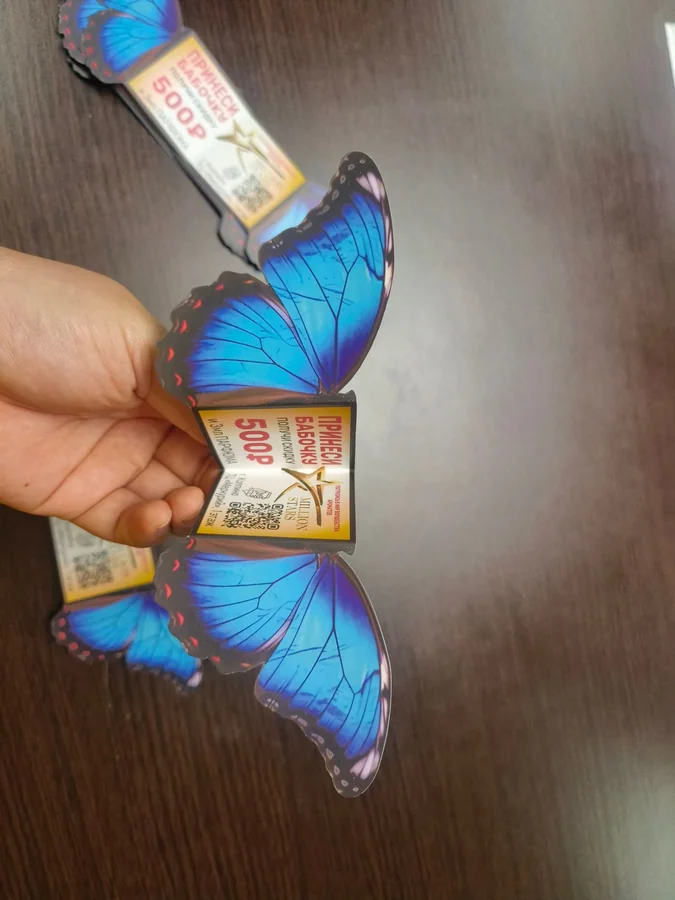
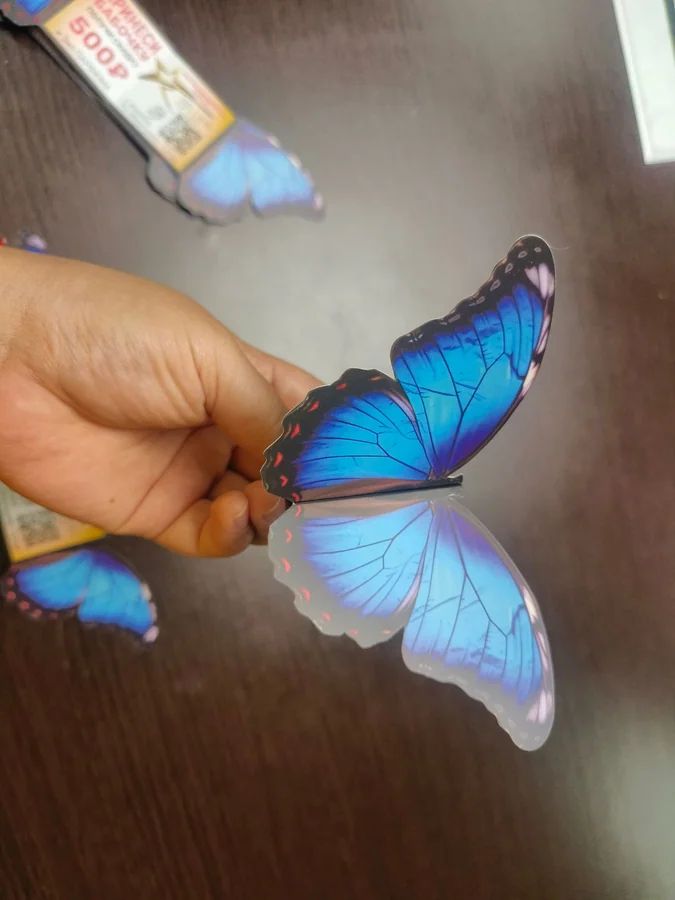
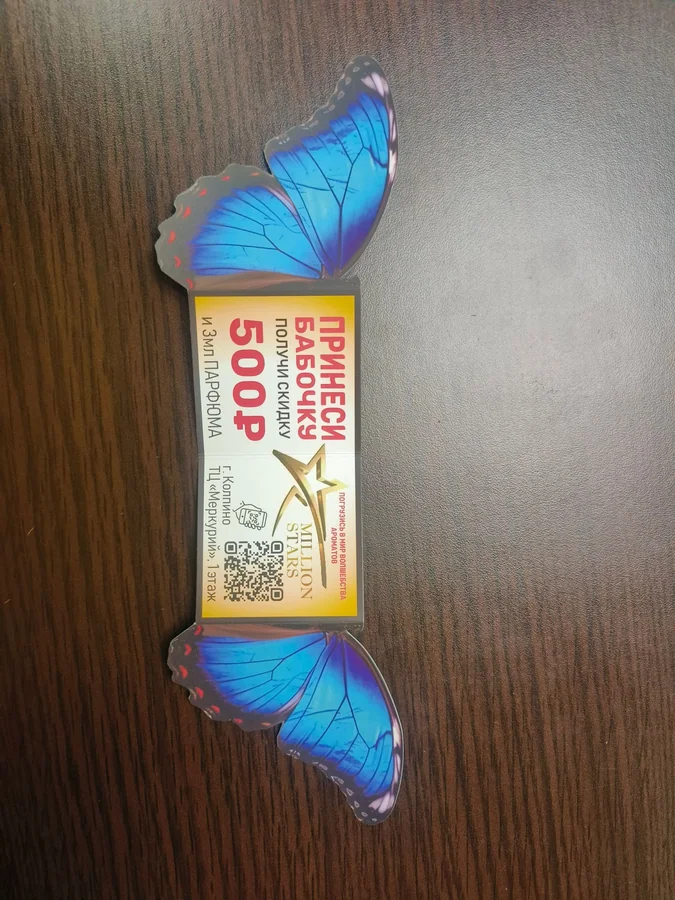
A custom 3D pop-up greeting card, laser-cut and hand-assembled so the design stands when the card is opened. The pop-up is the product: it has to open to the intended shape every time, which is decided by the die-cut geometry rather than by the printing.
- Die-cut and folded
- Geometry-led
- White sample approval
- Envelope matched
| Material | PVC |
|---|---|
| Size | Standard card size — or your own |
| MOQ | from 300 pcs |
| Lead time | 7–10 days sample · 25–35 days bulk |
Key data
Specs buyers ask first
| MOQ | 300 pieces portfolios · gift sets · sample books 500 pieces notebooks · ring binders · presentation packaging |
|---|---|
| Sample lead time | 7–10 days |
| Bulk lead time | 25–35 days |
| Quotation | Within one working day |
| Material | PU leather over rigid board · EVA or suede inserts |
|---|---|
| Imprint options | Foil stamping · debossing · screen print · metal badge |
| Artwork | Vector files (AI, EPS, PDF or CDR) |
| Size | Made to your dimensions |
What this one is
Die-cut pop-up card
The card is die-cut and folded so the design rises when it is opened, then folds flat for posting. Getting that right is a geometry problem rather than a printing one: the cut lines and the fold lines have to work together so the card opens to the intended shape and closes flat without creasing the artwork. A physical white sample is normally approved before the print run, because a pop-up that does not open correctly cannot be fixed at the printing stage. Card stock, fold geometry and envelope size are specified to your design.
- Die-cut and folded — The design rises when opened and folds flat for posting.
- Geometry-led — Cut and fold lines have to work together for the pop-up to stand.
- White sample approval — A physical sample is approved before the print run.
- Envelope matched — Envelope size specified to the folded card.
Where it gets used
Who orders pop-up cards
Brands use them for launches and anniversaries where the card has to be kept rather than thrown away. Hotels and travel companies use them for VIP guest and client messages. Retailers use them as a gift-with-purchase. The pop-up format is chosen when the card has to work as an object, not just carry a message.
What we can change for you
Made to fold flat and survive the post
This item is not picked off a shelf. Every part of it is specified before it is made, and these are the parts buyers change most often on a greeting & pop-up cards programme. Send whatever you have — a drawing, a photo of a sample you like, or a rough sketch — and we quote against it.
- Format — Flat card, folded card, pop-up, laser-cut, or a boxed set.
- Construction — Die-cut pop-up mechanism designed to your theme, with a flat-fold test before cutting.
- Stock — Board, specialty paper, PVC or a laminated combination, in the weight you specify.
- Printing — Full colour both sides, with foil, embossing or spot UV on the face.
- Extras — Envelope, printed belly band, boxed set or a personalised insert.
- Language — Copy in your market’s language, proofed before the run.
Anything not on this list is a question rather than a no. We work from your artwork or a rough sketch, and cutting dies and covers are engineered in-house — so a change costs you a conversation, not a new supplier.
How your order is made
Tooling, printing and binding on our own line
A pop-up is a die and a fold sequence, so we cut a physical white sample and fold it flat before the print run — a mechanism that does not fold flat cannot be packed or mailed.
- Tooling and dies — cutting dies and covers are engineered in-house, so a change to the shape is a conversation rather than a new supplier.
- Printing and finishing — offset and screen printing, foil stamping, blind debossing, spot UV and edge painting all run on site.
- In-line QC — checks at cutting, stitching and packing, not only at the end. You get the inspection photos before the cartons close.
- Export and documentation — cartons, pallets, labelling and shipping documents prepared to your forwarder specification. 94.8% of what we make is exported.
Sampling
7–10 days
Production
25–35 days
Incoterms
FOB · CIF · DDP
Documents
one set per order
Factory audit report, material test reports and the pre-shipment inspection report are available on request — tell us which one your compliance team needs and we confirm it in writing.
How to order
From spec to shipment in four steps
Most buyers have a sketch, a sample, or a brief. We turn it into a confirmed sample and then into a repeatable production run.
Product type, dimensions, quantity, logo, and deadline — even a photo is enough.
Unit price, tooling, sample cost, and lead time — usually within one working day.
We make a physical sample for your review before anything goes to bulk.
In-line QC, pre-shipment photos, then packed and shipped to your forwarder.
Production & Quality
Built on our own line
Tooling, printing, finishing and packing all run in-house, so a change is a conversation rather than a new supplier.
Tooling and dies
Cutting dies and covers are engineered in-house, so a shape change is a conversation, not a new supplier.
Printing and finishing
Offset and screen printing, foil stamping, blind debossing, spot UV and edge painting all run on site.
In-line QC
Checks at cutting, stitching and packing, not only at the end. You get inspection photos before the cartons close.
Export packing
Cartons, pallets, labelling and shipping documents prepared to your forwarder specification.
Working with us
Files, tooling and terms
The same terms apply to this item and to the rest of your order, so the budget and the schedule can be planned before anything is committed.
- Artwork — Vector files (AI, EPS, PDF or CDR) are what embossing, foil and screen print need. A photo, a sketch or a physical sample is enough to start — we tell you before anything is charged if a file has to be rebuilt.
- Tooling — Charged only when the item needs a new mould, die or deboss plate. It is quoted separately and stated upfront — never added later.
- Samples — A stock sample is free (you cover the courier). A customised sample is chargeable and the cost is credited against the production order once it is confirmed.
- Payment — Invoiced in US dollars from our company account. Standard terms are T/T — 30% deposit, 70% before shipment — or an L/C at sight for container orders.
- Shipping — FOB Ningbo or Shanghai, CIF, and DDP to Europe and North America. DDP includes duties and final-mile delivery.
- Mixed containers — Several categories can ship in one container, which is how buyers keep the quantity per item down while still filling a shipment.
- Confidentiality — We sign an NDA before you send drawings.
- Documents — One inspection report and one set of documents cover the whole order, whatever the mix of items.
Buyer questions
Will the design stand up properly?
That depends on the cut and fold geometry, which is why a physical white sample is approved before the print run.
Can we supply our own design?
Yes. Send the artwork and we engineer the die-cut and fold lines to it.
Does it fold flat for posting?
Yes. The card folds flat and the envelope is sized to the folded card.
Can a pop-up be designed to a theme we bring?
Yes. Send the theme, the message and the finished size. We cut a white sample and test the flat fold before the print run, because a mechanism that will not lie flat cannot be mailed.
Can the card be personalised per recipient?
Yes, where the print method allows it. Tell us what has to vary — a name, a code, a logo — and we will confirm which method suits your quantity.
Which finish suits a heavy-board card?
Foil and embossing give the sharpest result on board, and both survive the post. Spot UV adds contrast without adding a step to the pack.
What is the minimum order quantity?
Minimums are set per item; printed card products carry a higher minimum than leather programmes because the run length drives the price. The exact figure is confirmed with your quote.
Do the cards come with envelopes?
Yes. Matched envelopes, printed or plain, are supplied with the card and packed as one set.
From our workshop notes
Request a quote
Send us the spec. We'll send a number.
Unit price, tooling cost and lead time — usually within one working day.
Request a quoteWhat to send us
- Product type and target dimensions
- Quantity — and whether it may grow
- Logo and artwork, even if rough
- Your delivery deadline and market