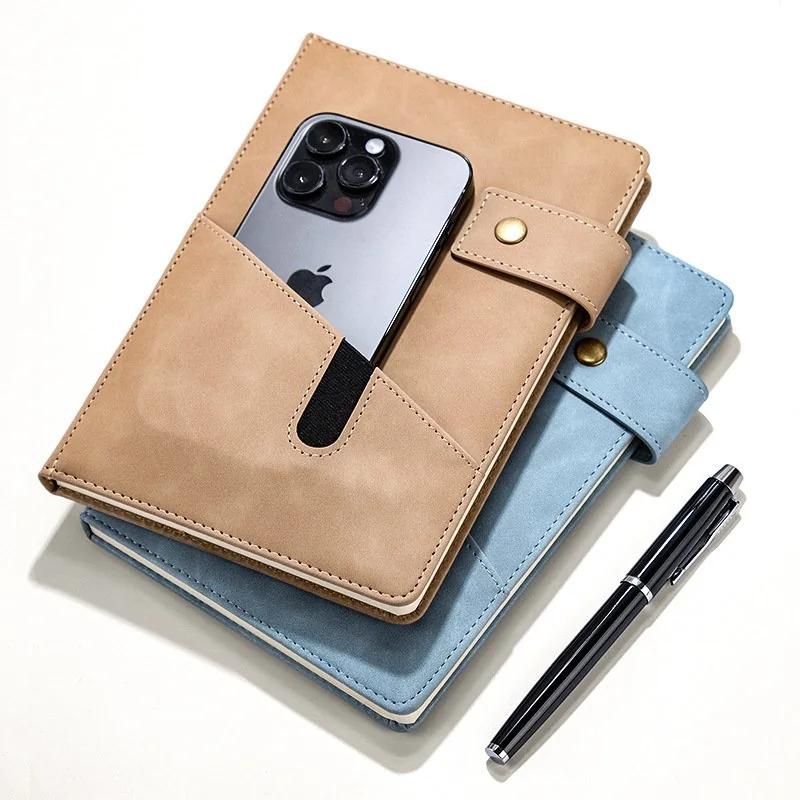
"How long does PU last?" gets one answer everywhere — two to five years — which is the same as no answer. The life is not set by the word PU. It is set by four things inside the sheet, and three of them are written into the specification.
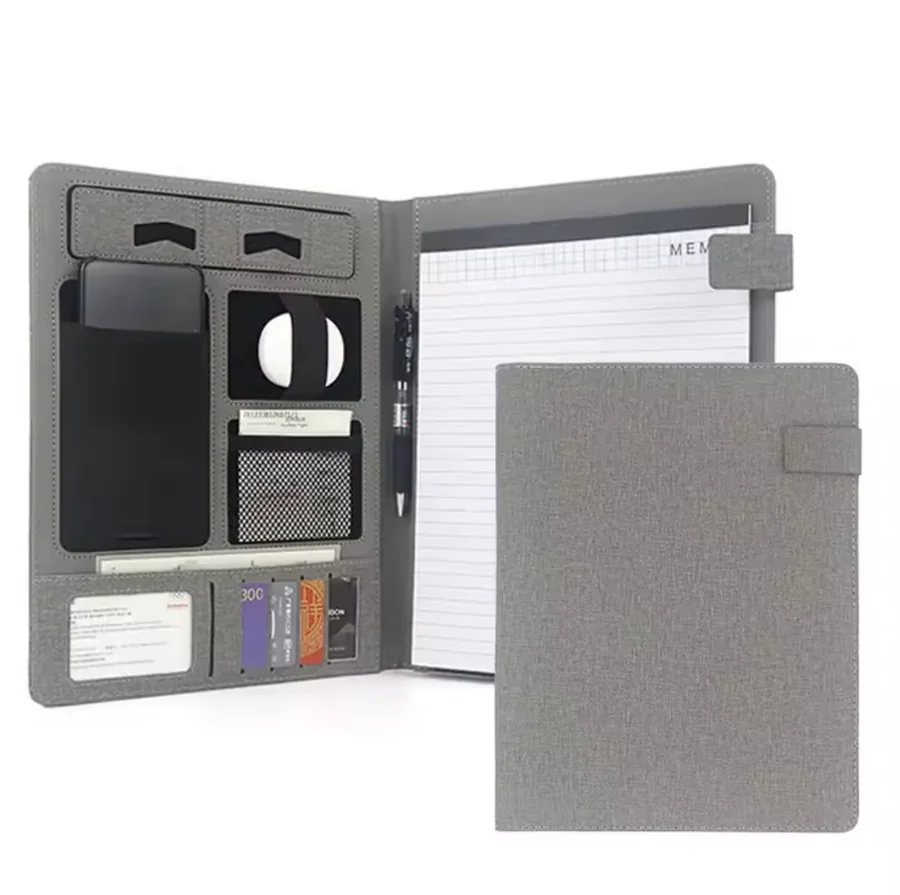
PU is a construction, not a material
PU leather is a polyurethane coating laid on a backing fabric. The backing decides how the sheet stretches and folds; the coating decides how it looks and how it wears. Two sheets that photograph identically can differ in coating weight, backing type, surface finish and the additives in the coating — and those four things decide whether the piece still looks new at five years or peels at eighteen months.
The three failure modes, and what each looks like
Hydrolysis. The commonest and the least understood. Polyurethane takes up moisture and breaks down from the inside. The coating goes tacky before it goes brittle, and then it lifts from the backing in patches. Warm, humid storage accelerates it, which is why two buyers can report completely different lifespans for the same part number.
Abrasion and flex cracking. Failure at the fold lines. A light coating on a stiff backing will crack along a crease that is opened and closed every day, long before the surface wears through anywhere else.
Migration. The coating loses what makes it soft, or something in it migrates out and leaves a tacky surface, or the color drifts. It is the failure that shows up on a shelf rather than in the hand.
What separates a five-year sheet from an eighteen-month sheet
Coating weight is the first lever: more polyurethane per square metre means more material to lose before the backing shows. Backing is the second: a knitted backing drapes and forgives movement, a woven one holds shape, and a non-woven is the cheapest and the first to delaminate. Then the coating chemistry — a hydrolysis-stabilised formulation costs more per metre and lasts materially longer in a humid warehouse. And finally the surface finish, which decides how much of the sheet is exposed to abrasion.
None of that is visible in a photograph, and almost none of it appears in a standard product description. A supplier can quote "PU leather" for a sheet expected to last a year and for one expected to last five, at very different prices, and both quotations are honest.
How to turn the claim into numbers
Ask for the coating weight in grams per square metre. Ask for the backing type by name. Ask whether the coating is hydrolysis-stabilised. Then ask for the accelerated tests: a damp-heat or hydrolysis test, a flex test on the fold line, and an abrasion figure. A supplier who has the sheet specified will have the numbers; one who does not will answer with an adjective.
Then match the sheet to the use. A gift box that sits in a wardrobe is a different requirement from a portfolio that travels in a bag every day, and the second one should not be specified with the sheet chosen for the first.
What to put in the specification
Where it will live. Humid warehouse, air-conditioned retail, carried daily.
Coating weight, backing type, and whether the coating is hydrolysis-stabilised.
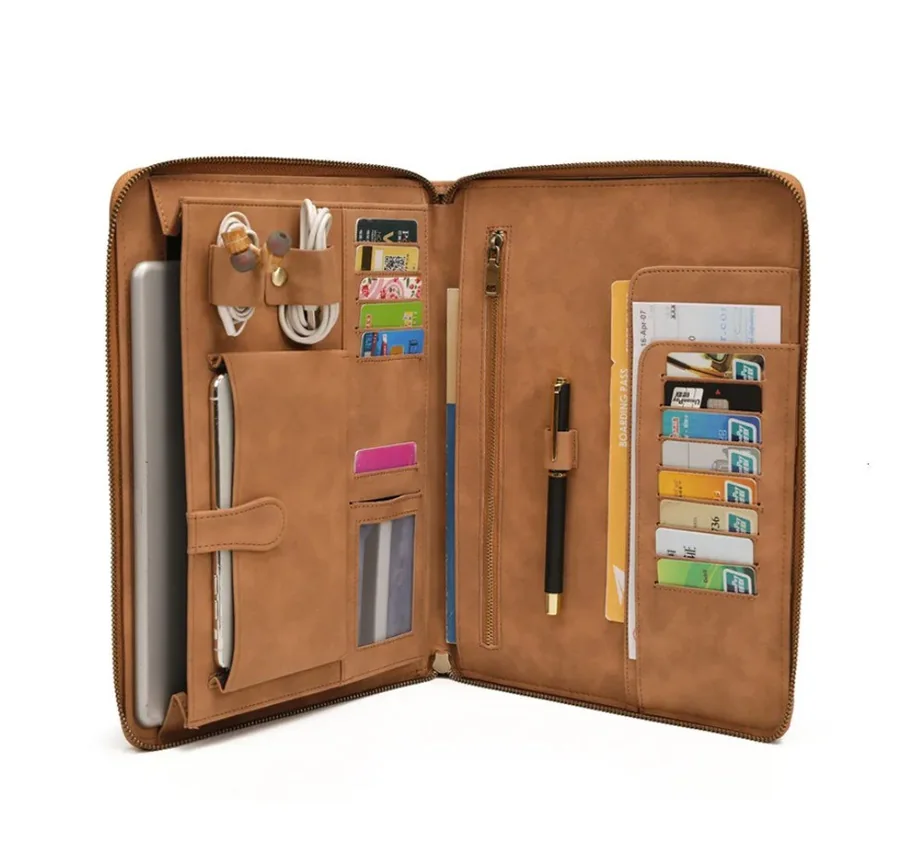
Which lines will crease. Tell us where the sheet folds — a stiffer sheet may be right for the cover and wrong for the spine.
The warranty you need to offer. Life is easier to specify backwards from a promise than forwards from a material name.
A stored swatch. Keep the approved sheet on file with the specification, so a repeat order is matched against material rather than a description.
Better to raise it than to hope. Tell us which part you are worried about — the lining, the pillow, the ring mechanism, the material code, the fold line — and we will say plainly what can be changed, roughly what it costs, and where we would be guessing too. Being told early that a detail is out of reach is cheaper than finding out at the inspection.
We still need the product, the quantity, the logo method and your deadline in order to quote. Send it through the quote form — a drawing, a sample photo or a link all work. We will sign an NDA before you share anything confidential.