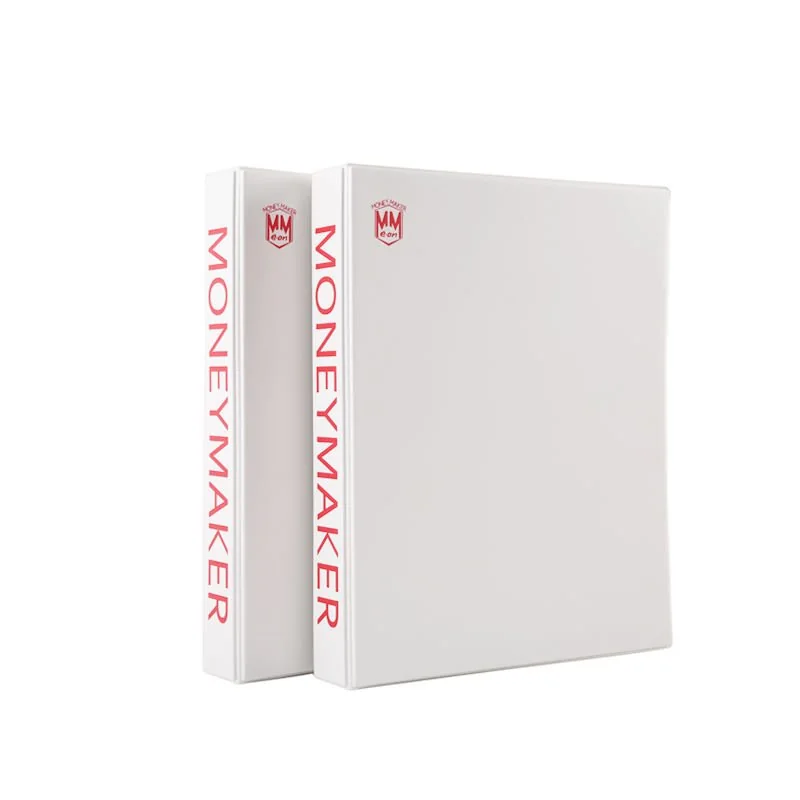
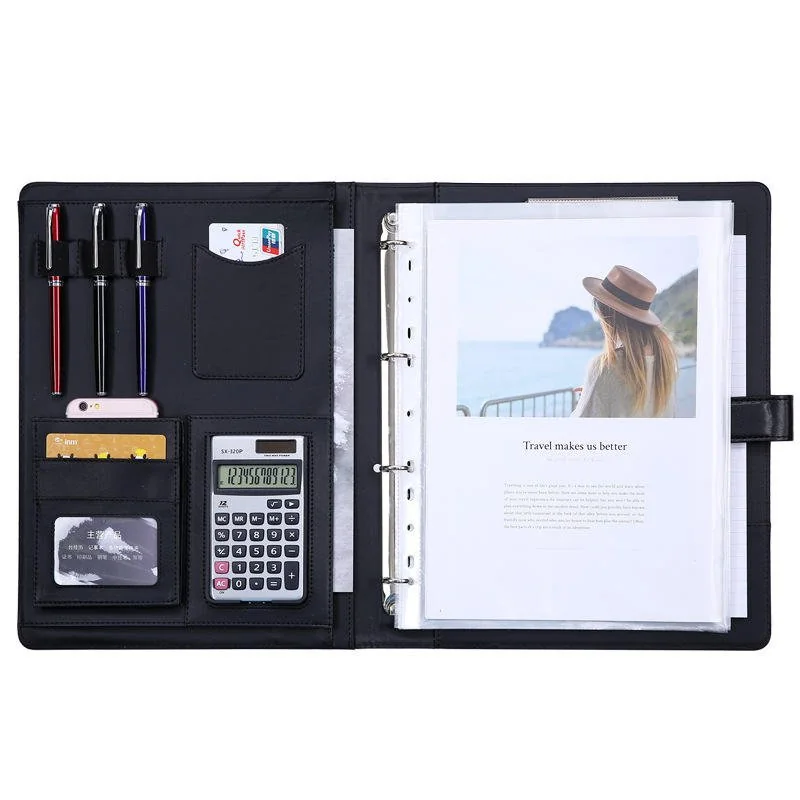
A ring binder is decided by three things: what goes inside, how often it is opened, and how thick the stack gets. Get those right and the specification writes itself.
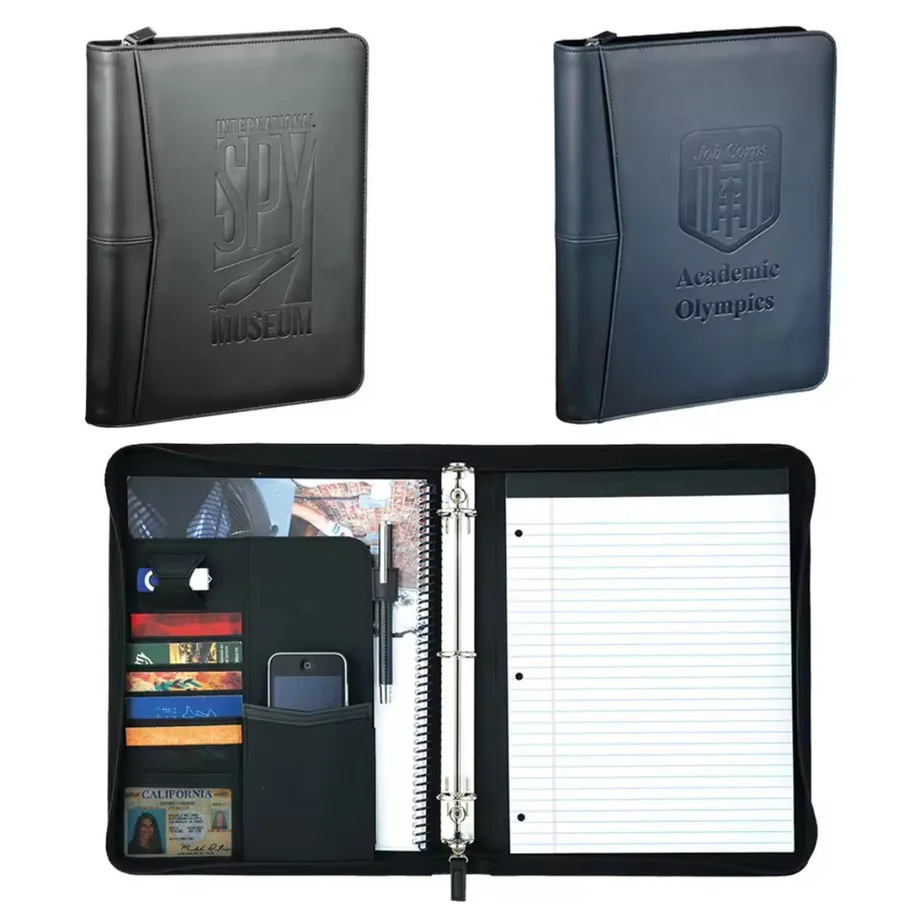
Start with what goes inside
Count the sheets, then measure the packed thickness rather than the flat one. Punched paper, poly pockets and dividers all add bulk, and a binder that closes easily when empty may not close at all when full.
If the contents are documents that are read often, a D-ring is usually the better mechanism: it holds pages flat against the spine and allows a larger capacity in the same cover width.
Mechanism and ring count
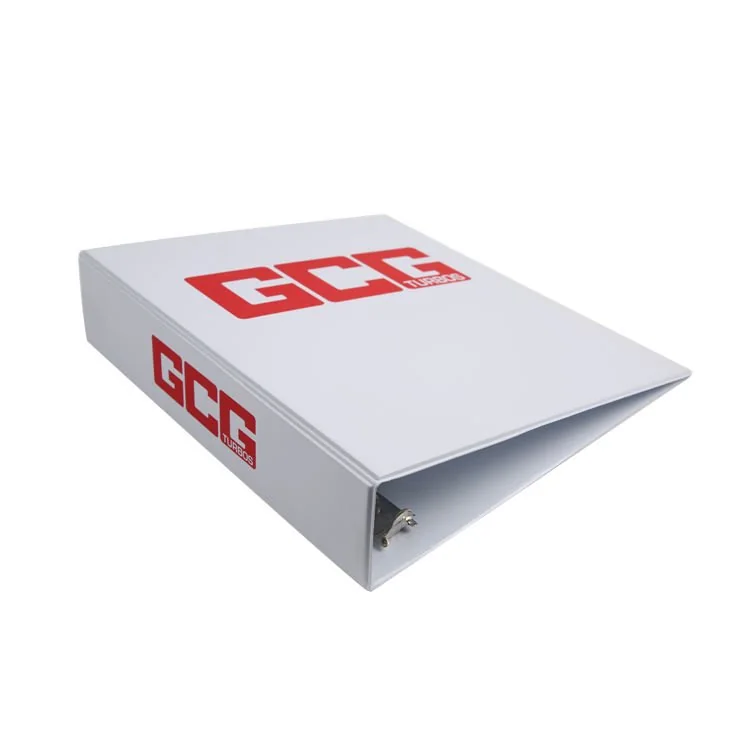
Two rings is the standard for A4 and US Letter. Four rings is more common on larger formats, where the extra rings stop the sheets from bowing. Ring diameter decides capacity; the trigger or lever style decides how the binder feels in daily use.
For a document that is read once and archived, a simpler mechanism is fine. For a binder that travels, the mechanism and the board behind it are where the money should go.
Cover: board, PU, PVC or printed paper
Board weight sets how rigid the binder feels. Wrapping it in PU leather gives a soft, warm hand and takes foil well. PVC is harder-wearing and easy to wipe, which suits training and field documents. Printed paper over board is the lightest and the most economical, and it is the format most school and trade-show programs choose.
Capacity, spine and the closing question
Spine width follows ring diameter, so a 50 mm stack and a 25 mm stack are different covers — not the same cover with more pages. Tell us whether the binder has to close flat, stand on a shelf, or be carried by a handle; each of those changes the board and the closure.
Send the sheet count, the ring preference if you have one, the cover material and the quantity. Ask for the mechanism and the cover to be quoted together, so you can see what each contributes.
What to send us. The product, who uses it, what goes inside, how it is branded, the quantity you actually need, and the date it has to be in hand. Quotes usually go out within one to two working days, with the sampling date confirmed in the same reply.
Send it through the quote form — drawings, a sample photo or a link all work. We will sign an NDA before you share anything confidential.