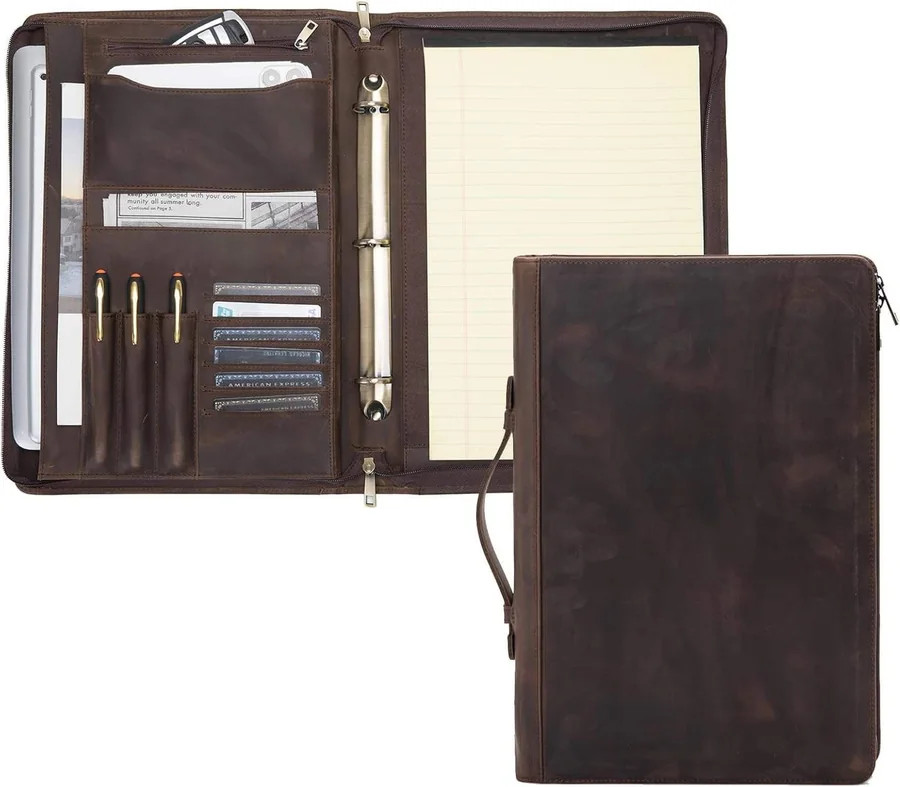
A binder is judged by its cover and fails at its rings. The complaint is almost always the same — the rings no longer meet, so pages snag, tear and fall out — and it starts within weeks, not years.

Three parts, and one of them is the weak link
A ring mechanism is a pair of half-rings, a spring, and a set of rivets holding the assembly to the board. The spring sets how hard the rings close; the rivets hold the whole thing in place. When a binder fails early it is nearly always the rivets or the alignment, not the spring.
Rivets are where the cost is taken out. A metal rivet set through a metal plate holds its position. A mechanism attached with a fastener that simply clamps the board moves as the binder is opened and closed, and once the plate shifts, the two halves of each ring no longer line up. The ring looks right on the shelf and stops closing by the middle of the term.
Closing tolerance is the number nobody quotes
The gap between the two half-rings when the mechanism is shut is a tolerance, and it is set at the tool. Quoted as a range, it is what separates a mechanism that closes cleanly after thousands of cycles from one that leaves a lip that catches paper. Ask for it; a supplier who has measured it will have an answer.
Ring diameter follows the stack, not the cover
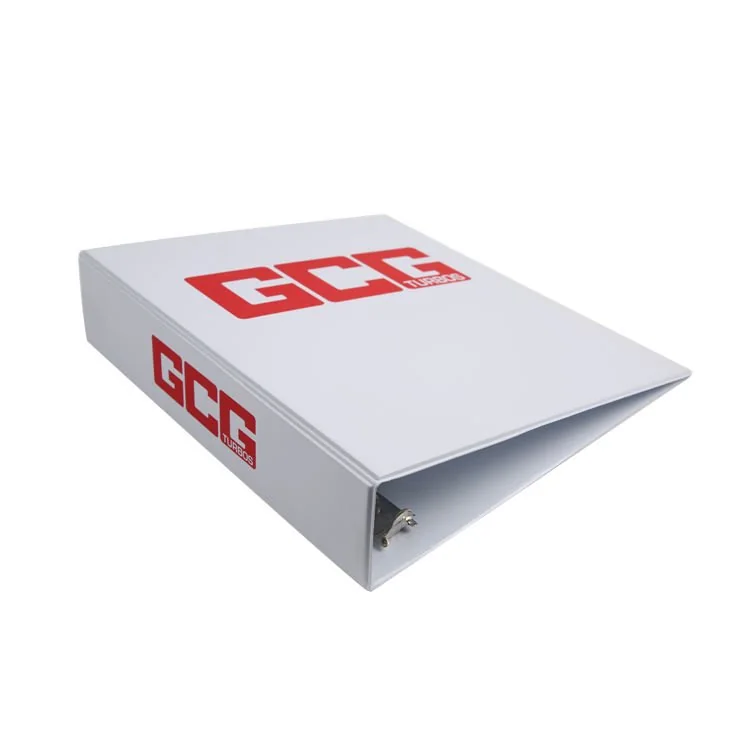
Diameter and cover width are the two figures buyers most often swap. Diameter has to follow the packed thickness of what goes inside — punched paper, poly pockets and dividers all add bulk — and the spine width then follows the diameter. A binder that closes easily when empty may not close at all when full, and forcing it is what bends the rings out of alignment in the first place.
D-rings help here. Pages sit flat against the spine rather than swinging on a round ring, which takes a larger capacity into a narrower cover and puts less leverage on the mechanism.
What to put in the brief
Sheet count and packed thickness, not the flat thickness of the paper.
How often it opens. A binder that is read daily needs a different mechanism from one that is filed once and archived.
Whether it travels. In a bag, the mechanism and the board behind it are where the money should go.
Ring type, diameter and closing tolerance, in writing.
A cycle figure. Ask how many open-and-close cycles the mechanism is tested to, and whether the test is on the mechanism alone or on the assembled binder.
Better to raise it than to hope. Tell us which part you are worried about — the lining, the pillow, the ring mechanism, the material code, the fold line — and we will say plainly what can be changed, roughly what it costs, and where we would be guessing too. Being told early that a detail is out of reach is cheaper than finding out at the inspection.
We still need the product, the quantity, the logo method and your deadline in order to quote. Send it through the quote form — a drawing, a sample photo or a link all work. We will sign an NDA before you share anything confidential.