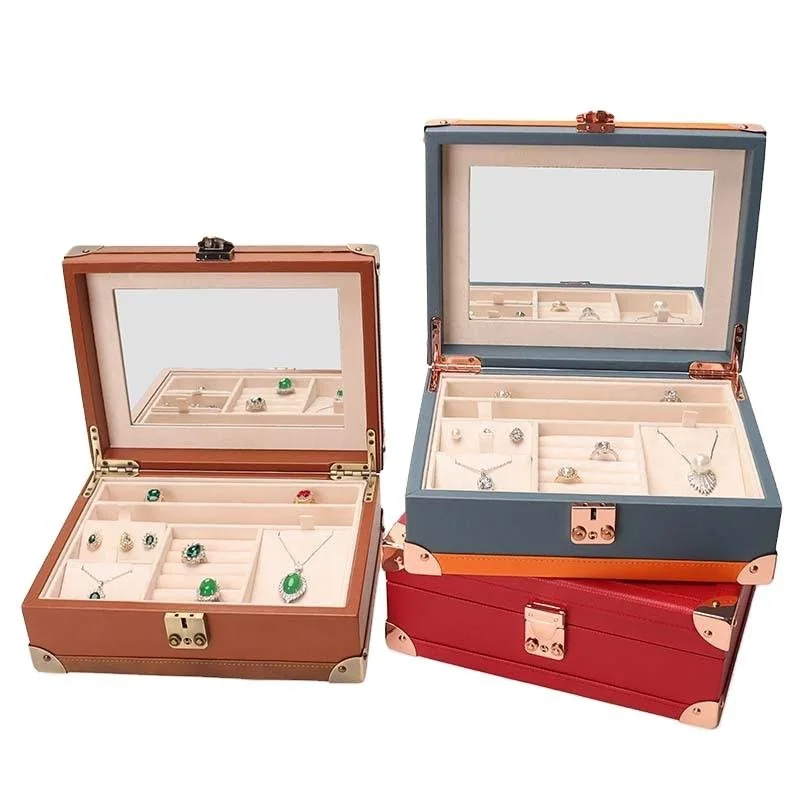
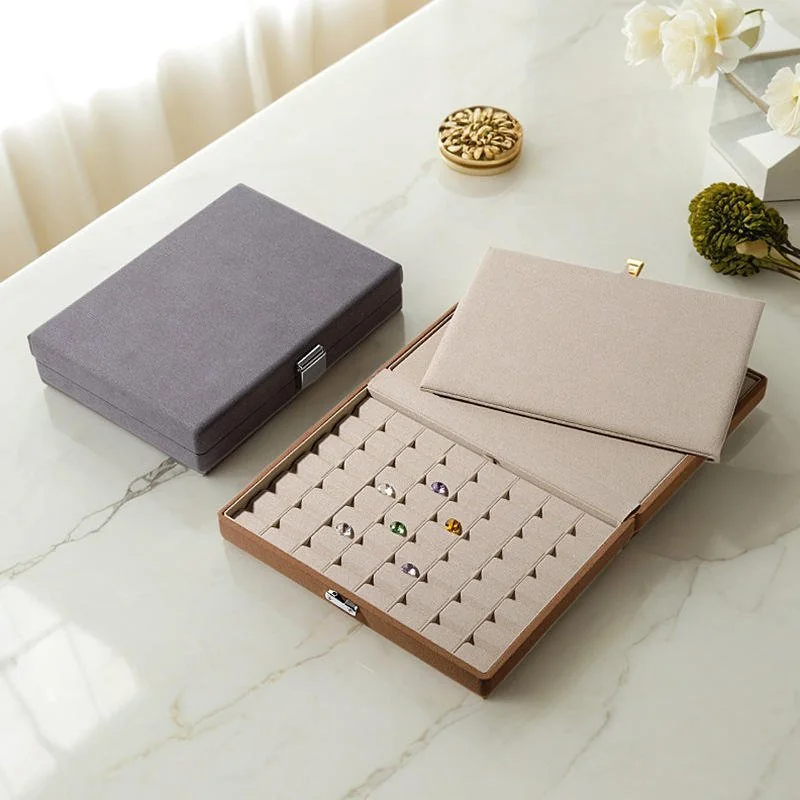
A silver chain that turns black in a drawer is not a polishing problem. Tarnish is a chemical reaction, and a closed jewelry box is a small space full of materials that can feed it.
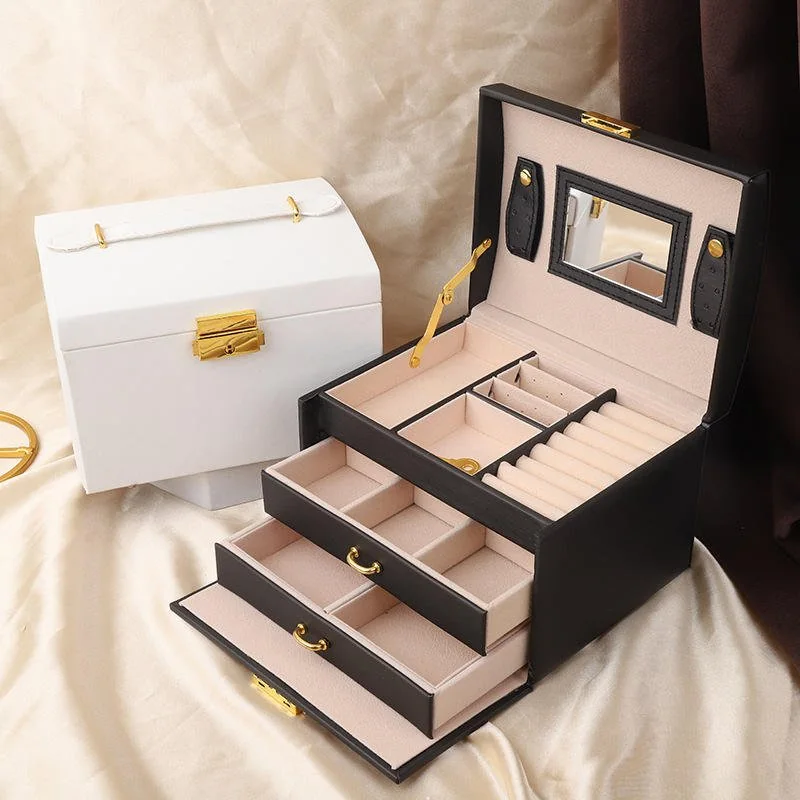
Tarnish needs a sulfur source, not time
Silver darkens when it reacts with sulfur compounds in the air. The reaction needs a little warmth and a little moisture, and a closed box supplies both: the air inside it does not move, so whatever releases sulfur stays next to the metal instead of drifting away. That is why a chain can sit on a dressing table for a year and darken in a box in a month.
The velour is usually innocent
Most complaints blame the lining, and a polyester velour or velvet is chemically inert — it is one of the few materials in the box that will not react with silver. The materials that do react are the ones nobody looks at.
The adhesive. Some solvent-based and rubber-based glues release sulfur as they cure and as they age. In a box built to a price the adhesive is chosen for how fast it grabs on the line, not for what it does to metal over the next two years.
The dye. Synthetic velvets and felts are often colored with sulfur-based dyes. A deep black or a saturated red lining is the most likely to carry one.
The board and the wood. Untreated wood and some recycled boards give off acids and sulfur compounds as they age. A thin felt over a paperboard carcass can be worse for silver than the same box with a plastic shell.
The foam. Some foams, and the adhesive that holds them, are the same story as the glue.
Why the cheapest box is often the worst box for silver
Cost pressure lands in exactly the wrong places. The lining is chosen because it photographs well and feels soft. The glue is chosen because it sets fast. Nobody in the chain is asked what the assembly does to a sterling chain over two years, because at the sample stage nobody can see it yet — the box looks and feels finished.
What a silver-safe specification has to say
Four things, and none of them change the outside of the box. A water-based, sulfur-free adhesive in place of a solvent or rubber cement. A lining dyed without sulfur compounds, or left undyed where the design allows. A barrier between the board and the lining, or a board that does not release acids. And a lid that closes snugly, because tarnish slows when humidity stops cycling in and out.
If the piece needs a long shelf life in the box, the next step is an active element: a silvercloth lining, or a treated insert panel. Those work. They also have a working life, so the specification should state how long the effect is expected to hold and whether the panel can be replaced.
Test it on a sample, not on a customer
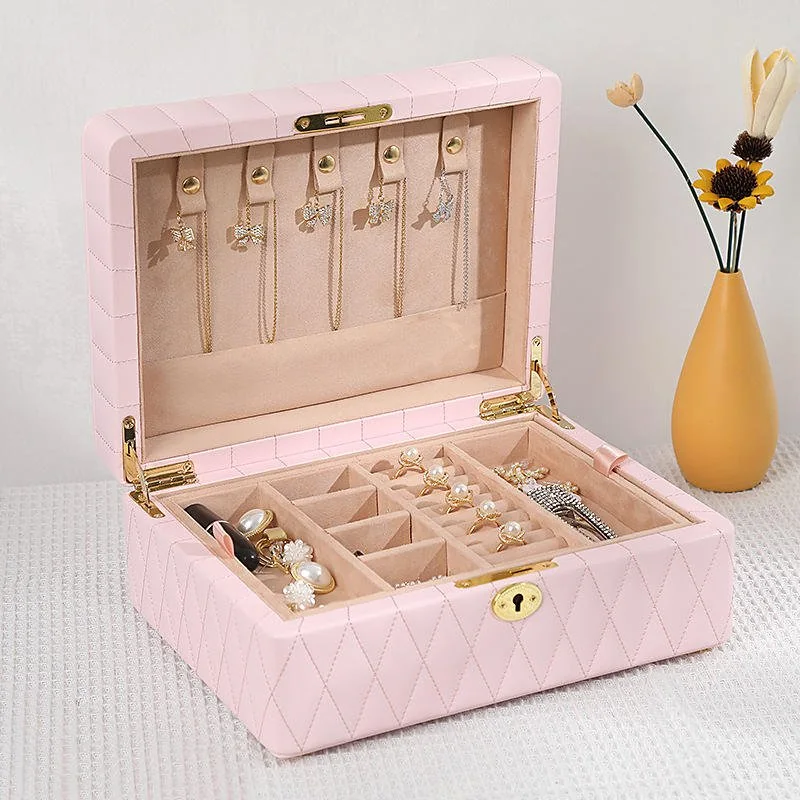
A silver coupon test settles the question. Put a polished strip of sterling in the closed box, keep it somewhere warm for a fortnight, and compare it against an identical strip left in the open. The strip that darkens faster tells you what the box will do to a customer's chain. It is worth asking for at the sample stage rather than after the first complaint, and whether it can be run depends on the adhesive and the lining in the sample.
What to write into the specification
The adhesive, by family. "Sulfur-free" on its own is not checkable. Name the adhesive chemistry.
The lining dye. Ask whether it is sulfur-based, and ask what an undyed option would change.
What the lining is bonded to. Foam, board or shell — the answer decides whether you need a barrier.
The shelf life you need. Six months on a retail shelf and five years in a drawer are two different specifications.
The test. Ask for a coupon result rather than the word "anti-tarnish".
Better to raise it than to hope. Tell us which part you are worried about — the lining, the pillow, the ring mechanism, the material code, the fold line — and we will say plainly what can be changed, roughly what it costs, and where we would be guessing too. Being told early that a detail is out of reach is cheaper than finding out at the inspection.
We still need the product, the quantity, the logo method and your deadline in order to quote. Send it through the quote form — a drawing, a sample photo or a link all work. We will sign an NDA before you share anything confidential.