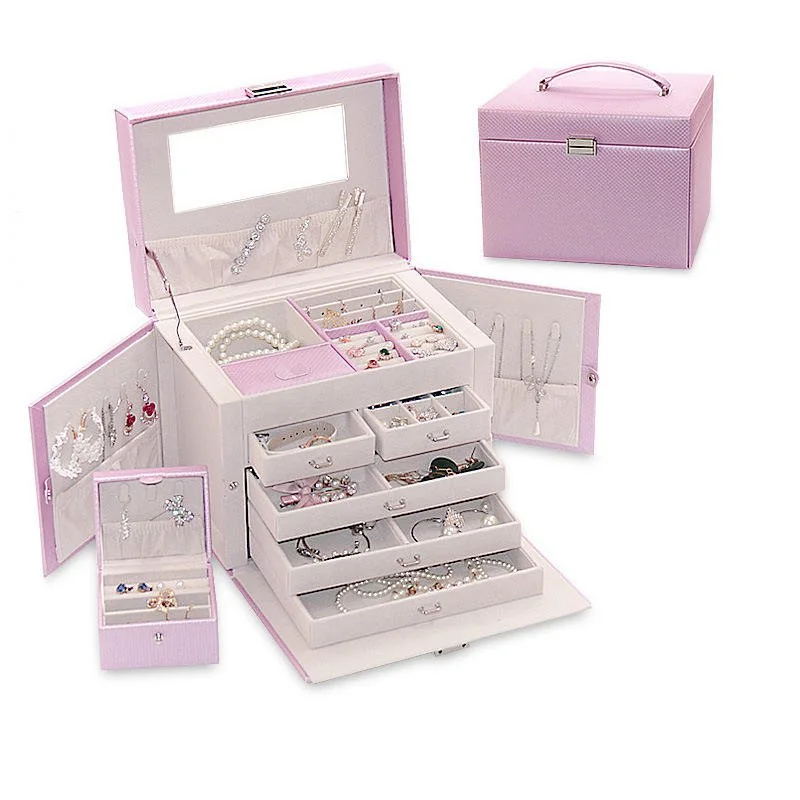
In a jewelry box the visible quality is the lining and the visible failure is the drawer. The three complaints that come back most often — dividers that come away, drawers that stick or drop, and contents that mix as soon as the box is moved — are all decided before the box is made.

A glued divider is located, not fixed
Dividers are usually glued into the tray, and the glue is doing a locating job rather than a structural one. Once the tray flexes — and a loaded tray flexes every time it is picked up — the bond at each divider is worked. A shallow bead of adhesive on a smooth surface holds for a while and then releases, which is why the complaint so often reads "several came away in the first day".
One answer sits at the drawing: a slot, a rebate or an interlocking pattern that gives the divider somewhere to sit, with the adhesive as a seal rather than the only thing holding it. That is a tool change, and whether it moves the unit price depends on the tray.
Dividers that stop short of the lid
A divider that ends below the lid leaves a gap, and anything small enough to fit the gap will find it. Tilt the box and the contents mix. The height of the divider is a material-cost decision — a deeper divider means more board or more lining — so it is among the first things taken out under price pressure, and the first thing a customer notices.
Drawers, runners and creep
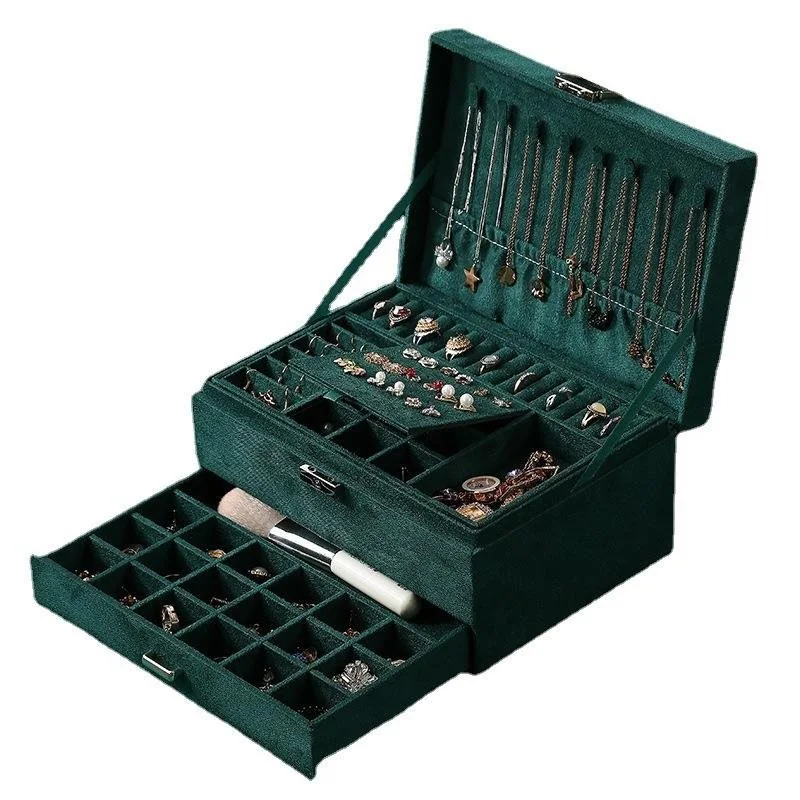
A drawer that will not slide, or that comes off its runner and drops, is a tolerance and material problem working together. Board moves with humidity; a paper or plastic runner wears into the gap and the drawer starts to drop. Add weight in the drawer and the effect doubles.
Three things are worth agreeing on while the drawing is still open. The clearance figure belongs in the drawing rather than in the sample room. The runner should not depend on the board holding an exact thickness. And the drawer should be designed to close with bulky contents — a tray loaded with wide bands needs an internal height measured on a loaded tray, not an empty one.
What to put in the brief
Send the pieces, or their dimensions. Wide bands, statement stones, thick watch straps — the drawer has to close on the real thing.
Say whether the box will be carried, and how far. A box that travels needs dividers that reach the lid.
Ask how the dividers are fixed, and ask to see the tray without the lining.
Ask for a loaded-tray check. Fill it, carry it, open and close it, and watch the drawer travel before the run.
Better to raise it than to hope. Tell us which part you are worried about — the lining, the pillow, the ring mechanism, the material code, the fold line — and we will say plainly what can be changed, roughly what it costs, and where we would be guessing too. Being told early that a detail is out of reach is cheaper than finding out at the inspection.
We still need the product, the quantity, the logo method and your deadline in order to quote. Send it through the quote form — a drawing, a sample photo or a link all work. We will sign an NDA before you share anything confidential.