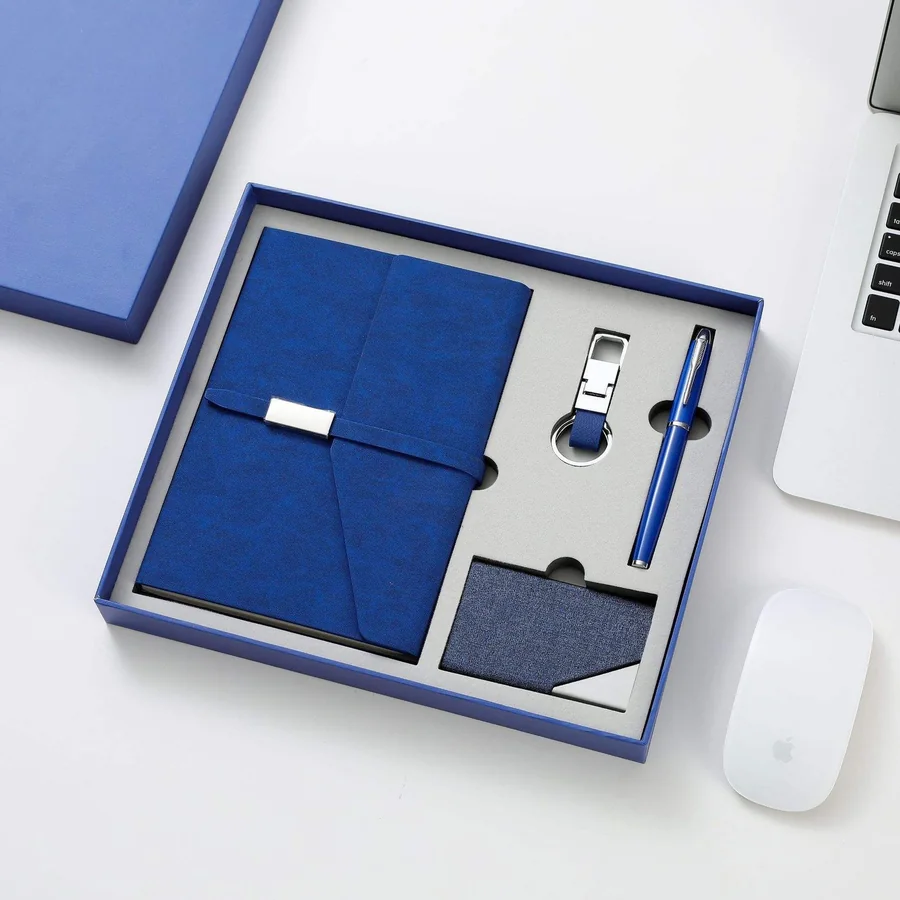
A card that has sat in the wrong sleeve for two years does not look damaged until it is taken out. The plastic has not scratched it. It has reacted with it.
What PVC does over time
Flexible PVC holds its softness with a plasticiser, and that plasticiser is not locked into the sheet. It migrates — into the air, and into whatever the sheet is touching. Against a printed surface it can lift ink, dull a gloss coating and leave a film that will not wipe off. Against a card it can leave the face slightly tacky, which is the point at which the two begin to fuse.
The timeline is what makes this a specification problem rather than a quality accident. At one month there is nothing to see. Somewhere between six months and two years the surface changes, and by then the piece is outside its warranty and the sleeve is still in use.
"Acid-free" is not the same claim
Sleeves are often sold as acid-free, and acid-free says nothing about plasticiser. A sleeve can be acid-free and still be PVC. The material code is the only claim worth reading: PP (polypropylene) and PET (polyester) do not carry a plasticiser, so there is nothing to migrate.
Where PVC is still the right material
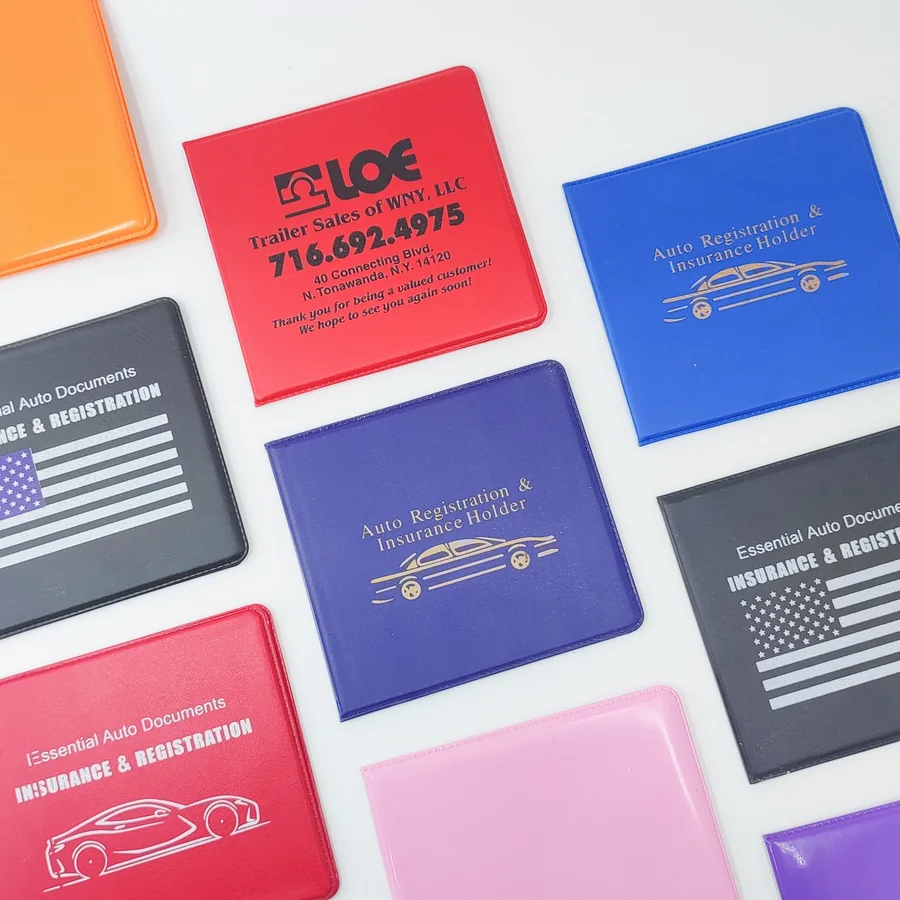
None of this makes PVC a bad material — it makes it the wrong material for long-term contact with a printed or coated surface. PVC takes high-frequency welding cleanly, bends without cracking and stays clear, which is why it is the right answer for a document sleeve, an insurance card holder, a clear file box or an inner bag protecting a textile. Those are applications measured in months, on contents that are replaceable.
The distinction to hold in the specification is contact: what is the plastic touching, and for how long. A clear PVC outer holding a box carries nothing sensitive. A clear PVC sleeve against a card face does.
What to put in the brief
The contact layer. Name the material that touches the printed surface, separately from the material on the outside.
The material code. PP or PET wherever a card, a photograph or a signature is involved.
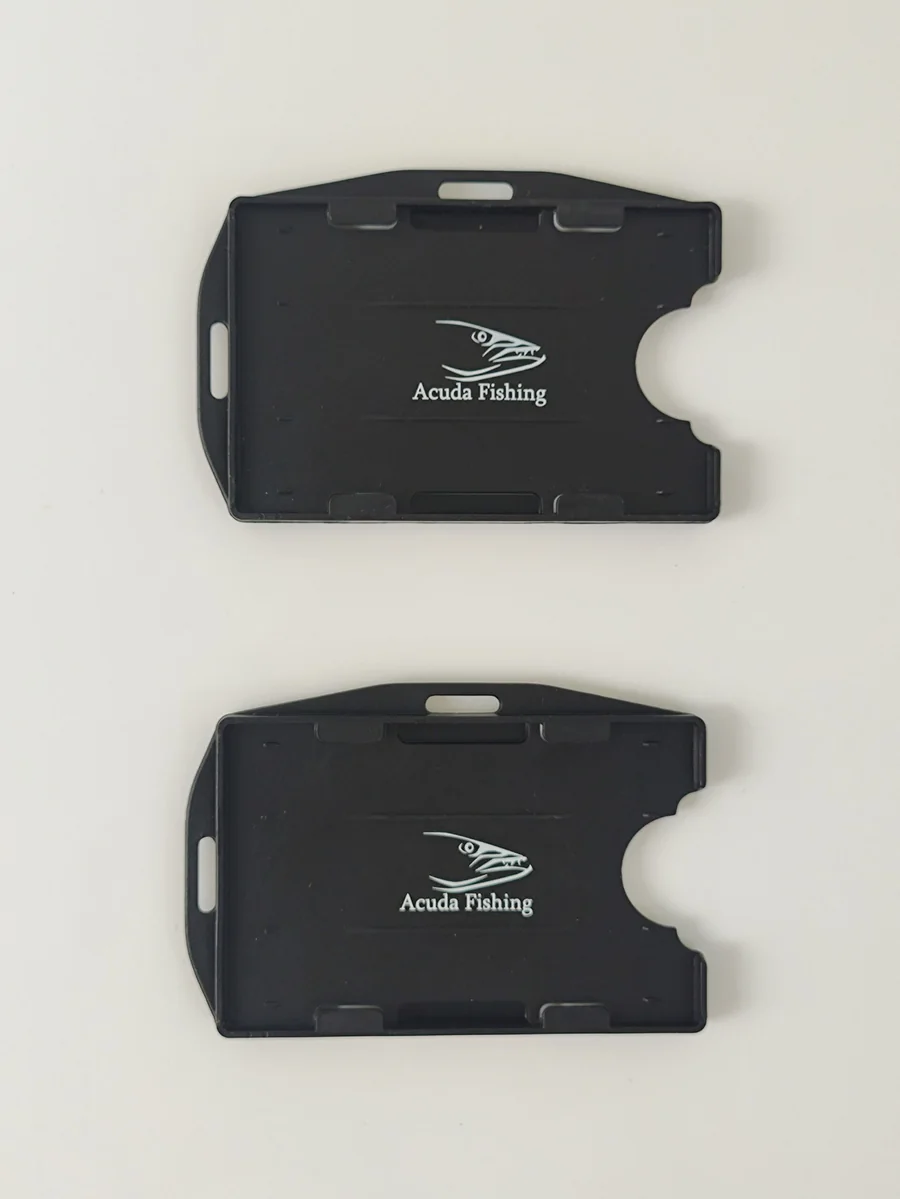
Where PVC is acceptable. State it — an outer sleeve, a document pocket, a window card holder.
A smell check as a first screen. Sheet that smells like a new shower curtain is almost certainly PVC. It is a rough test, but it is a test.
Migration testing for high-value contents. Ask for it, and ask what the sleeve was tested against.
Better to raise it than to hope. Tell us which part you are worried about — the lining, the pillow, the ring mechanism, the material code, the fold line — and we will say plainly what can be changed, roughly what it costs, and where we would be guessing too. Being told early that a detail is out of reach is cheaper than finding out at the inspection.
We still need the product, the quantity, the logo method and your deadline in order to quote. Send it through the quote form — a drawing, a sample photo or a link all work. We will sign an NDA before you share anything confidential.