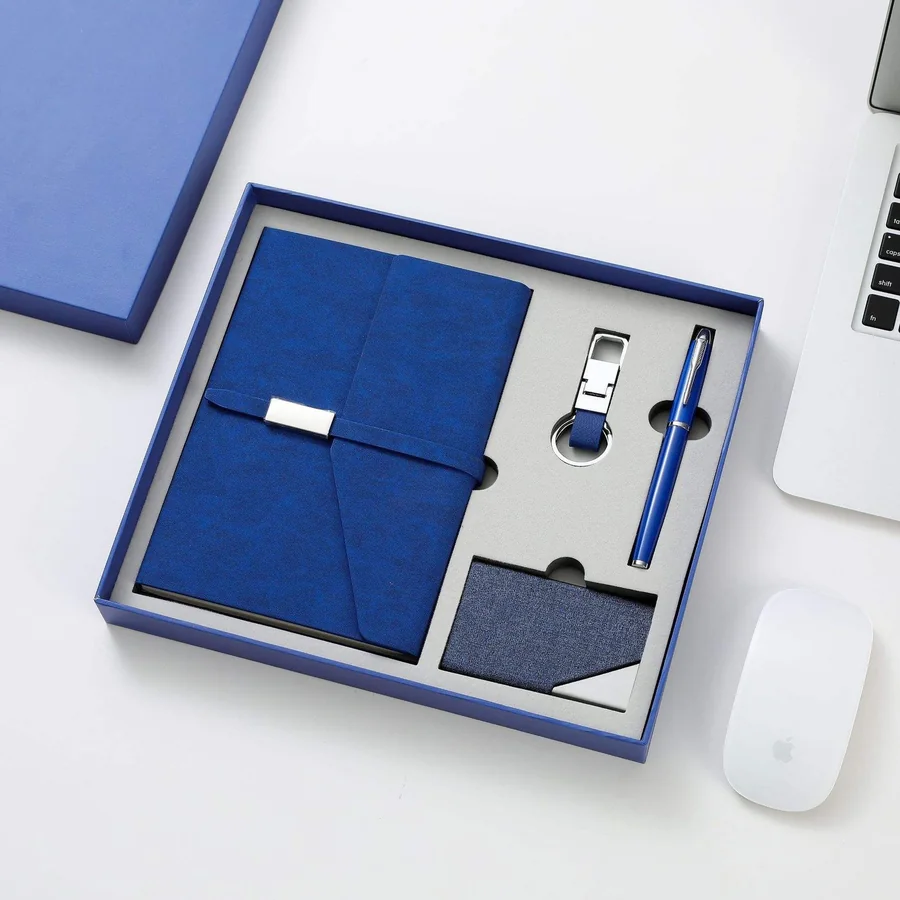
A card holder is a small object with a short bill of materials — which is exactly why small decisions about finish and fit dominate the price.
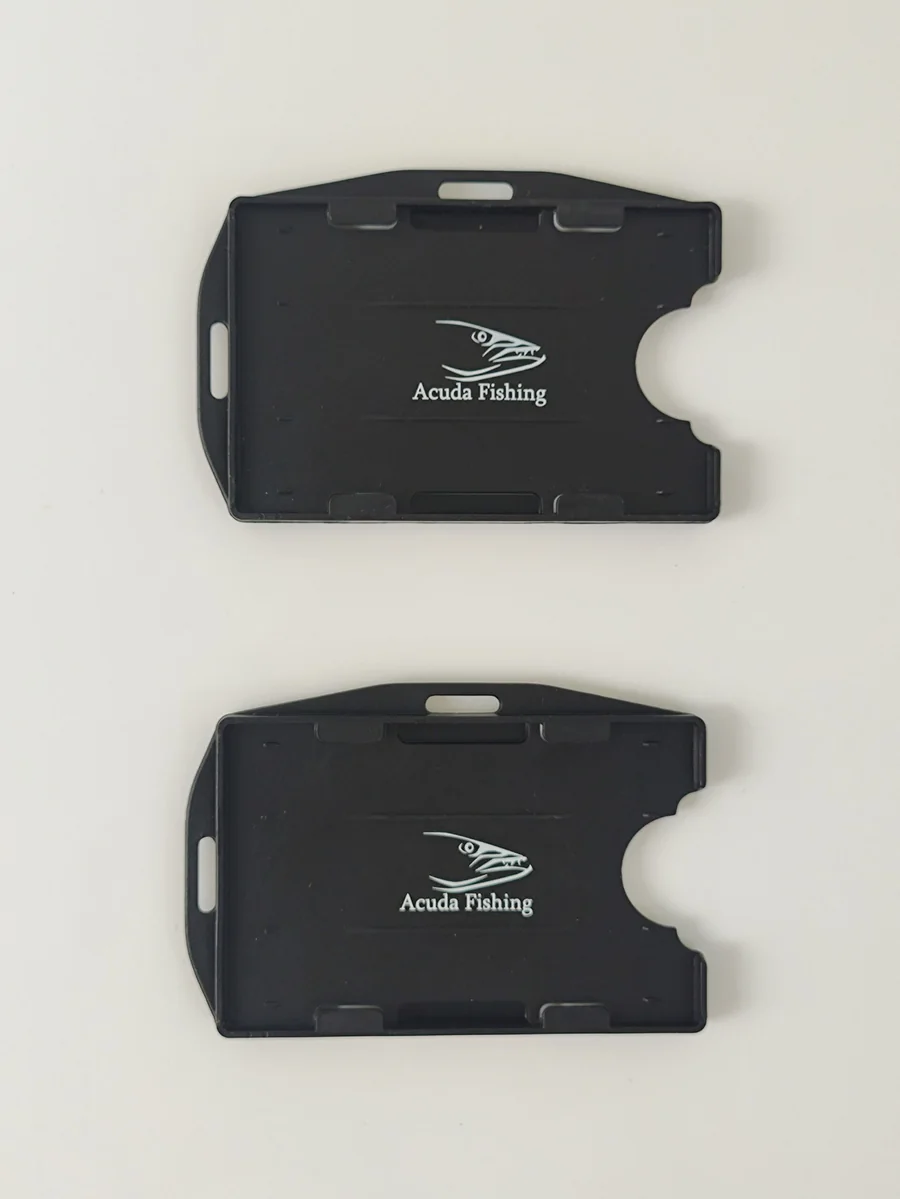
Three constructions you will be quoted
Single-piece housings are the simplest: one body, one opening, one color. They are the most predictable to produce in volume.
Two-part assemblies add a lid, a slide or a clip. They cost more to tool but let the piece open in a way that suits daily use.
Soft constructions — PU, PVC or leather-look fabric over a board or a frame — carry branding better than a plain plastic body, and the cost sits in assembly rather than in tooling.
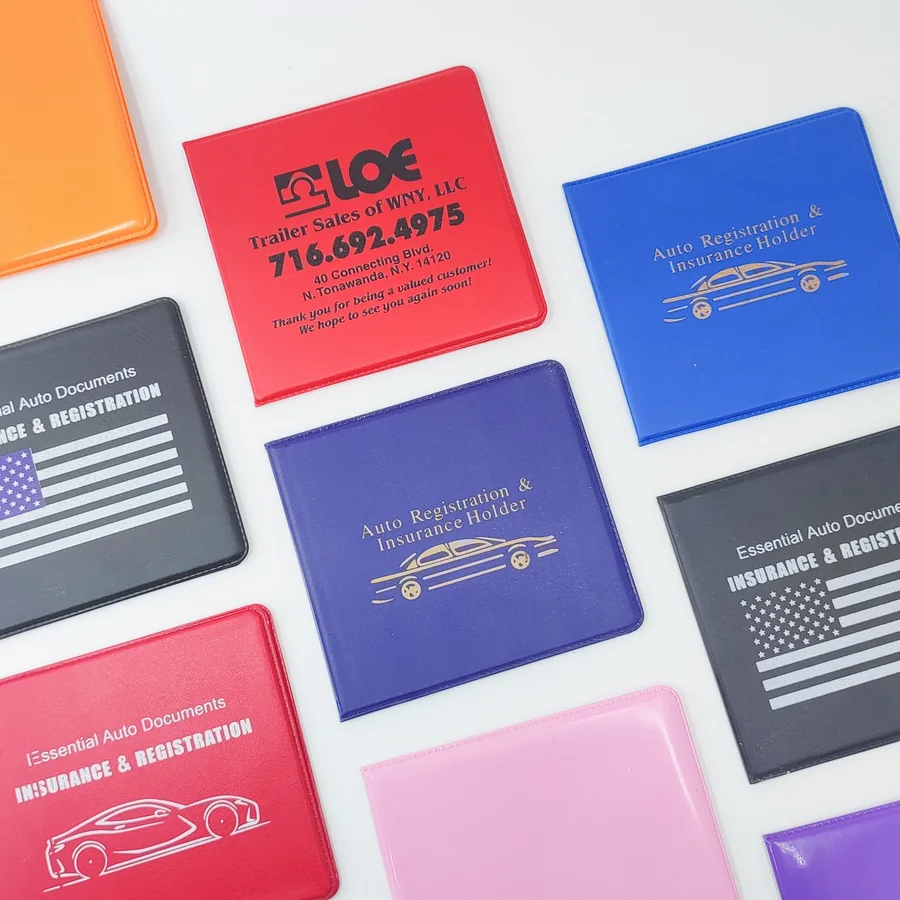
Color, and the one-color rule
A moulded housing is produced in a single color, and that color is set by the resin rather than by a print. Matching it to a brand color is a real constraint: two colors in one housing means two parts, and the same part in two colors means two runs.
This is why the strongest card holder programs choose one housing color and put the branding on a printed or foil-stamped face.
Finishing: printing, foil and texture
Flat surfaces take screen printing, foil stamping and debossing cleanly. Curved surfaces are harder, and coverage on a textured face is never as sharp as on a smooth one. If the logo has fine detail it should sit on a flat, smooth area — plan the artwork around the part rather than the other way round.
Texture changes the hand and hides scratches. A fine matte grain is the usual compromise.
Size to the card, not to the drawing
Cards vary by market and by issuer, and a holder that is one millimeter too tight is unusable. Confirm the card dimensions including any embossing, and the number of cards the holder has to take. Then confirm the opening and the clearance: that is the difference between a holder that works and one that sits in a drawer.
What to send us. The product, who uses it, what goes inside, how it is branded, the quantity you actually need, and the date it has to be in hand. Quotes usually go out within one to two working days, with the sampling date confirmed in the same reply.
Send it through the quote form — drawings, a sample photo or a link all work. We will sign an NDA before you share anything confidential.