A clear file box is judged on three things: how clear it stays, how the hinge survives being opened, and whether the edges are welded or stitched. All three start with the material.
Two plastics, two results
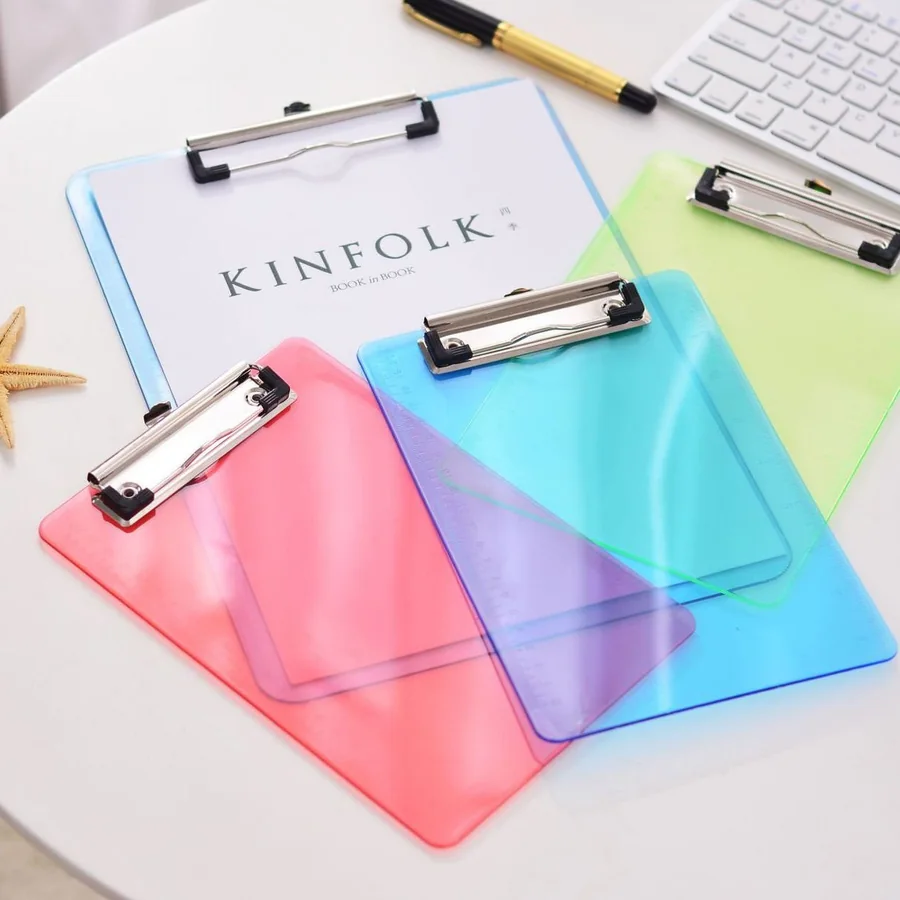
PVC is the softer of the two and the one most clear boxes use. It takes high-frequency welding well, bends without cracking, and can be made in tints and colors. PP is stiffer, lighter and more resistant to scratching, but it is harder to weld into a soft-edged box and is usually creased and assembled instead.
Neither is better in the abstract. PVC gives a softer, more considered hand; PP stays clearer longer under heavy handling.
How a welded box is built
Panels are cut, then joined along the edges with high-frequency welding, which fuses the material rather than bonding it with adhesive. That is what lets the box hold a soft crease instead of splitting along a seam. The hinge is a welded fold, so its life depends on the material thickness at that line.
Clarity, thickness and hinge life
Thickness is quoted in millimeters, and small differences change the feel considerably. A 0.3 mm sheet is flexible; a 0.5 mm sheet holds its shape but resists closing. For a box that is opened many times a day, the hinge line matters more than the panel thickness.
If the box will sit in a warehouse under fluorescent light for months, ask about anti-yellowing. Clear PVC and PP both shift color over time, and the grade is what decides how quickly.
When a transparent box is the wrong choice
Clear packaging shows the product and protects it, but it also shows every fingerprint and every scuff, and it carries branding poorly. If the piece is a gift, an opaque box with an insert usually does more work. If the buyer has to see the contents without opening anything — samples, spare parts, stationery kits — clear is the right answer.
What to send us. The product, who uses it, what goes inside, how it is branded, the quantity you actually need, and the date it has to be in hand. Quotes usually go out within one to two working days, with the sampling date confirmed in the same reply.
Send it through the quote form — drawings, a sample photo or a link all work. We will sign an NDA before you share anything confidential.