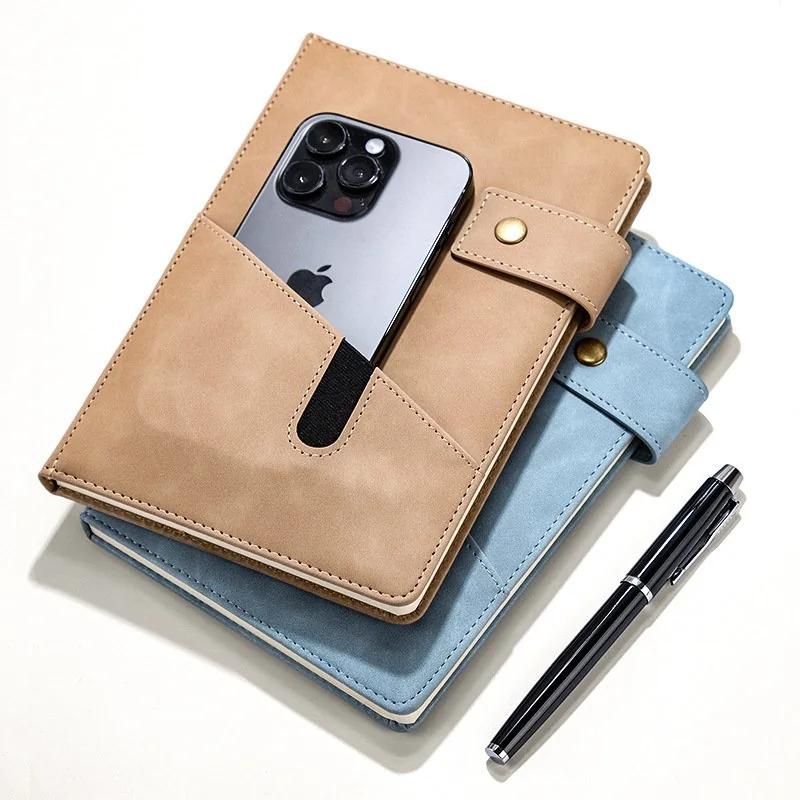
PU leather is not one material. Two covers that look identical in a photograph can differ in backing, coating weight and surface finish — and your hand notices before the specification sheet does.
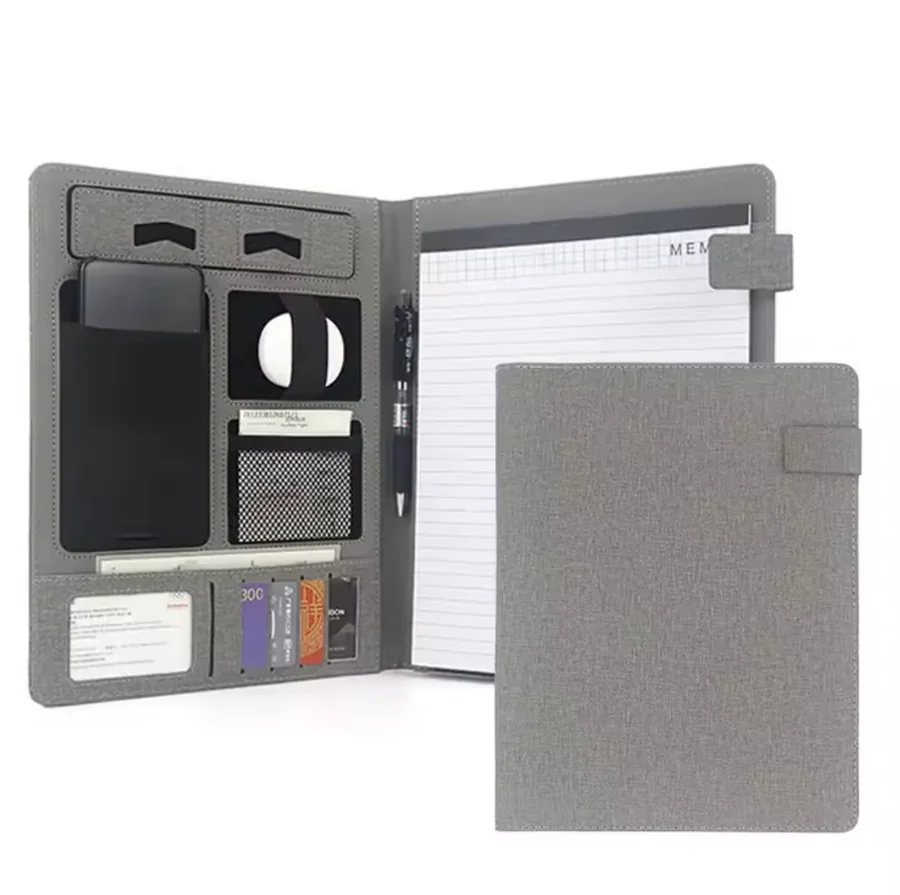
What PU leather is
PU is a polyurethane coating laid over a backing fabric. The backing — knitted, woven or non-woven — decides how the sheet stretches and how it folds. The coating decides how it looks and how it wears.
That construction is why PU can be made soft and matte like a natural grain, or firm and glossy like a coated board, from the same production process.
The three variables that change the feel
Coating weight. A heavier coating has more depth and hides the backing texture; a light one shows the weave and feels thinner in the hand.
Backing. Knitted backing stretches and drapes, which suits a portfolio or a notebook cover. Woven backing holds its shape, which suits a binder that has to stand up.
Surface finish. Matte, soft-touch and embossed grains each change the first impression. Soft-touch is the one buyers notice most, and it is also the one that shows fingerprints most readily.
Where PU beats PVC, and where it does not
PU reads as a textile and takes foil and debossing cleanly, which is why it dominates portfolios, notebook covers and presentation packaging. PVC is tougher, wipes clean and costs less; for field documents, menu covers and anything that gets wet, PVC is often the better answer.
Test a swatch before you approve it
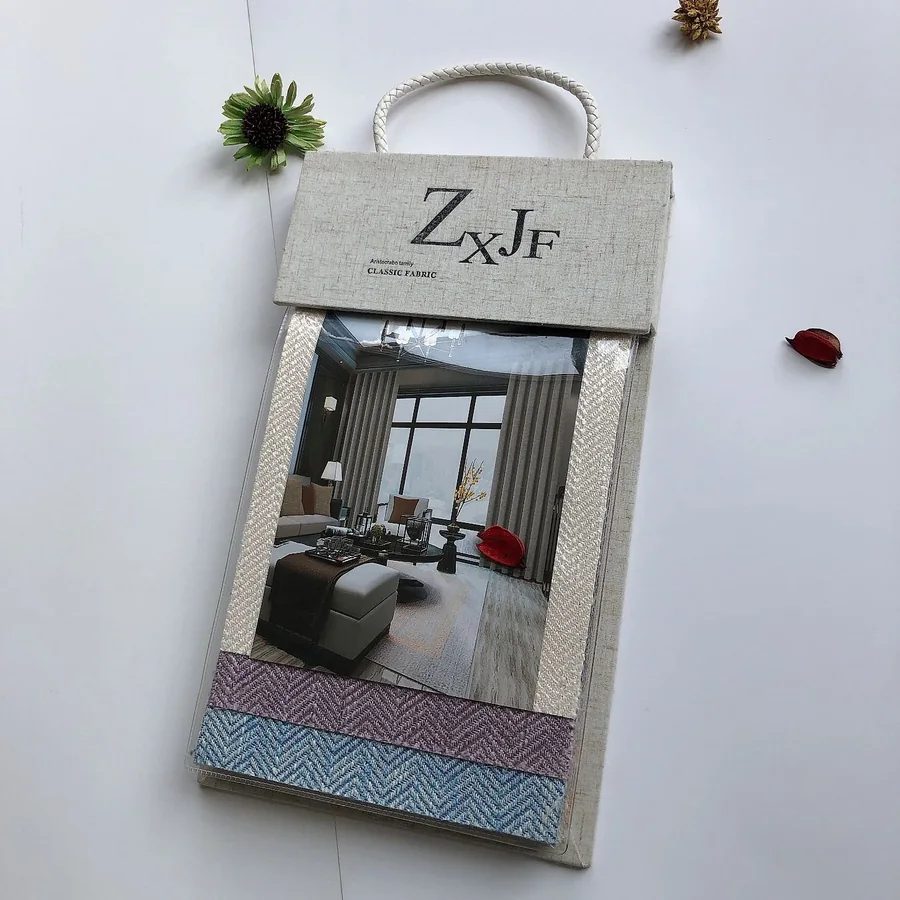
Ask for the material sample, not a photograph. Fold it, scratch it lightly, hold it against the final cover board, and check the color under daylight rather than under a desk lamp. If the piece carries a foil logo, look at the foil on the actual material — coverage and sharpness change with the surface.
Material swatches held with the program are what let a repeat order start from the same sheet rather than from a description — worth asking for at the sample stage.
What to send us. The product, who uses it, what goes inside, how it is branded, the quantity you actually need, and the date it has to be in hand. Quotes usually go out within one to two working days, with the sampling date confirmed in the same reply.
Send it through the quote form — drawings, a sample photo or a link all work. We will sign an NDA before you share anything confidential.