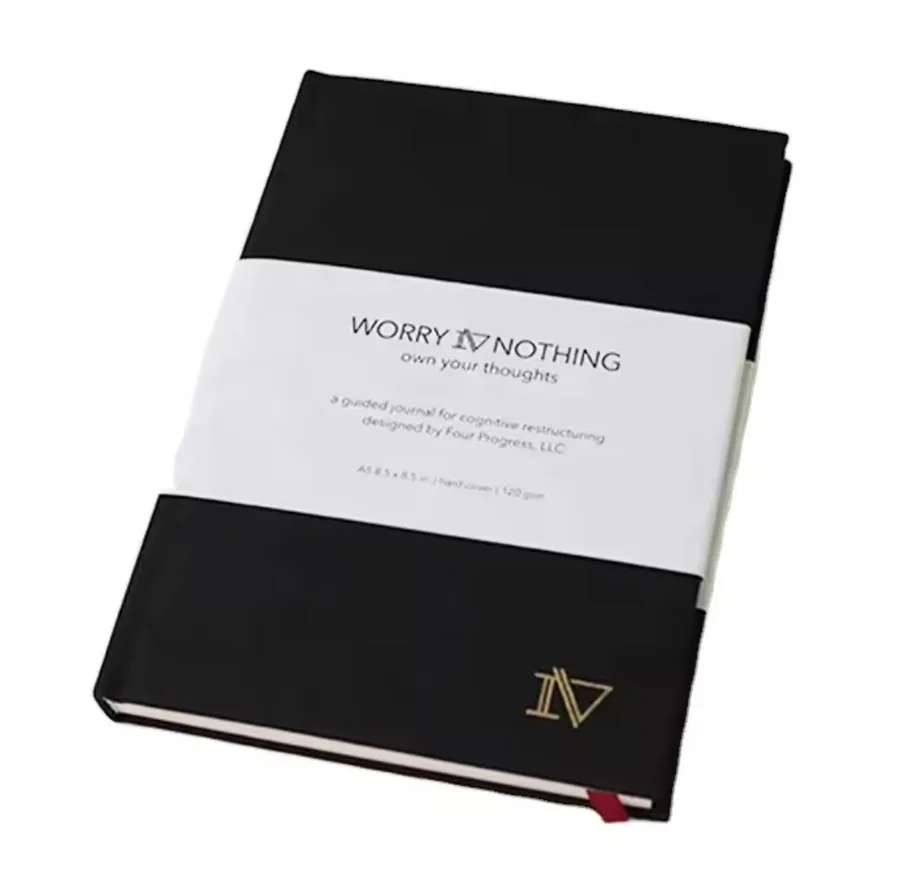
On a notebook, the cover is the wear part. It is handled, wiped, packed against other items and pushed in and out of a bag — a harder life than most product surfaces get.
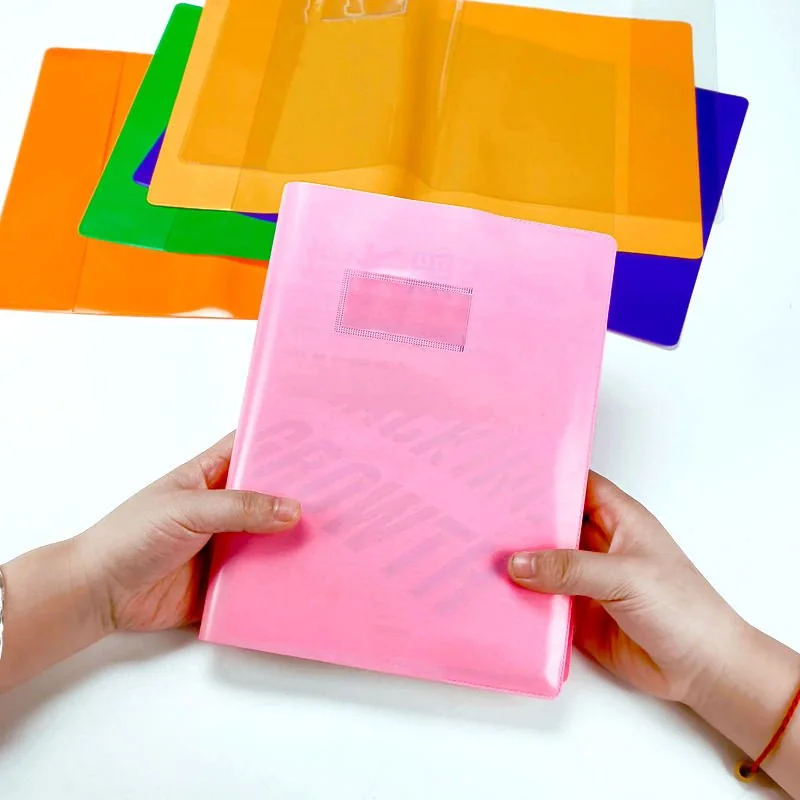
Why a cover is a wear part
The cover takes abrasion, moisture and light. A finish chosen for appearance alone will show it: matte coats polish where the hand grips, gloss shows scratches, and thin lamination lifts at the edges. Choosing a finish is choosing what the cover will look like in six months, not on approval day.
PVC, matte lamination and soft-touch
A PVC sleeve or jacketed cover is the most protective and the easiest to clean, which suits notebooks that live in a workshop or a clinic. Matte lamination is quieter in the hand and resists fingerprints; soft-touch is the most tactile and the least forgiving. If covers are stacked and moved in cartons, matte is usually the better compromise.
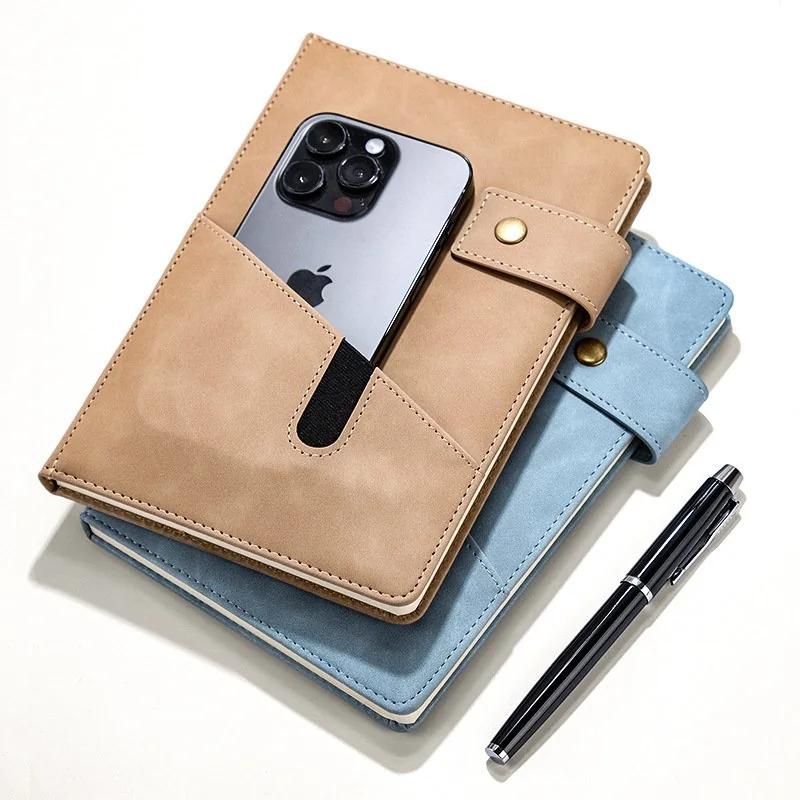
Wrapping the edges
Edges and corners take the first damage. Turned-in edges hold a wrap in place; a plain cut edge will lift sooner or later. On a printed cover the turn-in also hides the print register, which is why artwork should allow a bleed rather than assume a clean cut.
Test a cover before the print run
Fold it, rub it, rub it again where the hand goes, then wipe it with a damp cloth. Check the color against the printed sheet and against earlier covers in the same range — a small shift between two print runs is far more visible on a shelf than on a screen.
Ask for the approved cover sample to be held with the specification, so a repeat order is matched against a physical reference rather than a description.
What to send us. The product, who uses it, what goes inside, how it is branded, the quantity you actually need, and the date it has to be in hand. Quotes usually go out within one to two working days, with the sampling date confirmed in the same reply.
Send it through the quote form — drawings, a sample photo or a link all work. We will sign an NDA before you share anything confidential.